AI · alternatives · 2026

24 alternatives to Flagright AI Forensics
The modern standard in AML compliance through AI agents
Below are 24 products that do a similar job, ranked by how close each is in meaning and then by launch-day votes. Flagright AI Forensics launched in 2023; newer entries below may have overtaken it.
- 1
 Flagright AI▲103
Supercharge your AML compliance ops with Flagright AI & GPT
2023 · flagright.com · its alternatives →
- 2

- 3

AI agents that find, validate, and fix every vulnerability
Jun 2026 · getastra.com · its alternatives →
- 4
 FraudLens AI▲118
Detect Fraud Faster with Intelligent Automation
Nov 2025 · fraud-detection-fawn.vercel.app · its alternatives →
- 5
- 6

- 7

- 8

Next-gen AI-based global ID verification
2022 · idwise.com · its alternatives →
- 9

- 10
 AIVory Guard▲62
Real-time compliance & security validation for AI coding
Dec 2025 · aivory.net · its alternatives →
- 11
AI-powered adversarial legal & fiscal audit engine
May 2026 · app.transsurance.com · its alternatives →
- 12
 Deepheem▲2
Evidence-backed AML & compliance investigations
May 2026 · deepheem.com · its alternatives →
- 13
 AML Watcher▲35
Empowering MLROs and Compliance Officers with AML Excellence
2023 · amlwatcher.com · its alternatives →
- 14

- 15

AML compliance screening software for regulated businesses
Jul 2026 · verisanction.com · its alternatives →
- 16

AML Screening Software and Services | Shufti
2019 · shuftipro.com · its alternatives →
- 17

- 18

We're excited to launch compliant-llm: an open-source toolkit that helps infosec and compliance teams audit AI agents against regulatory frameworks like NIST AI RMF, ISO 42001, and OWASP Top 10. Infosec and compliance teams are now responsible for tracking security and compliance risks of a growing number of AI agents across external and internal apps and third-party vendors. compliant-llm gives you a way to: - Define and run comprehensive red-teaming tests for AI agents - Maps test outcomes to compliance frameworks like NIST AI RMF - Generate detailed audit logs and documentation -…
2025 · github.com · its alternatives →
- 19
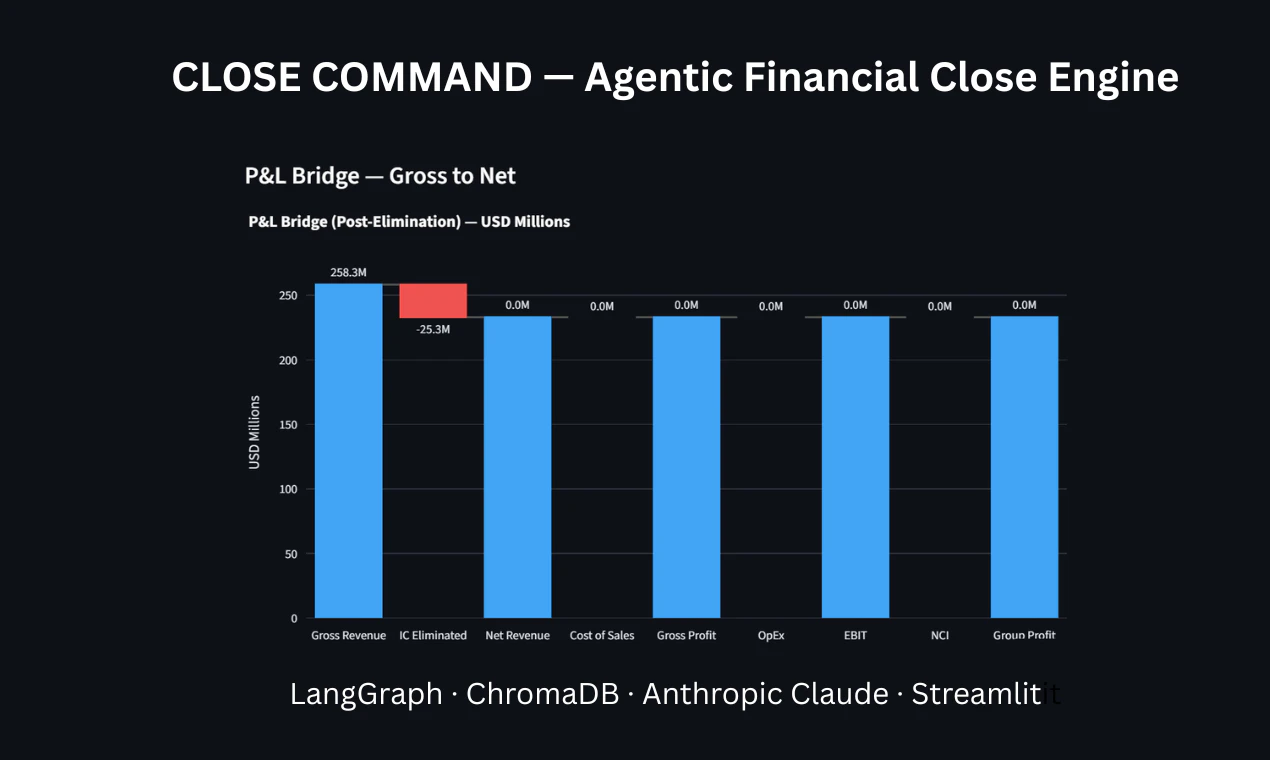
Agentic AI engine for Financial Close
May 2026 · share.streamlit.io · its alternatives →
- 20IB
I got tired of slogging through walls of legal text whenever I had to sign something important, so I built a Chrome extension that uses AI to: - Spot red flags and suspicious clauses – It automatically highlights risk areas in real-time as you read through an online contract. - Score the contract’s safety – Based on industry-standard risk parameters, it gives you an at-a-glance score so you can see how risky the document might be. - Simplify the jargon – It generates a quick summary of the key points, saving you from reading every paragraph in detail. No more signing on hunches or bets!…
2025 · aayen.org · its alternatives →
- 21

We’re building an open-source tool that makes it easy to expose secure, LLM-optimized APIs on top of your structured data—without manually designing endpoints or worrying about compliance. AI agents and LLM-powered applications need structured access to data, but traditional APIs and databases weren’t built with AI workloads in mind. Our tool automatically generates APIs that: - Filter out PII & sensitive data to comply with GDPR, CPRA, SOC 2, and other regulations. - Provide traceability & auditing, so AI apps aren’t black boxes, and security teams stay in control. - Optimize for AI…
2025 · github.com · its alternatives →
- 22

- 23

Checklynx sanctions & pep screening software
2025 · checklynx.com · its alternatives →
- 24

AI Document Analysis for Logistics and Commodity Trading
2025 · tradeguardai.com · its alternatives →
Also compare
Ranked by how close each launch is in meaning, then by votes. Prices were read from each product’s own site when checked and can change. Refine with your own description →