AI · alternatives · 2026

24 alternatives to QNSP — Quantum-Native Security Platform
Post-Quantum Security for AI, Data, and Critical Systems.
Below are 24 products that do a similar job, ranked by how close each is in meaning and then by launch-day votes.
- 1

- 2

filippo.io/mlkem768 is a pure-Go implementation of the post-quantum key exchange mechanism ML-KEM-768 optimized for correctness and readability.
2024 · words.filippo.io · its alternatives →
- 3

Full-stack Post-Quantum Security Infrastructure
Jul 2026 · qnsi.heossi.com · its alternatives →
- 4

Go Quantum-Safe Before Quantum Goes Live
2025 · qu-secure.net · its alternatives →
- 5
 Quip Network▲75
Hey HN. I'm Colton (YC S21, ex-Acorns), one of the founders of Postquant Labs. My cofounder Richard is a cryptographer out of Draper Labs and DARPA. We're building Quip.Network, the first distributed quantum compute network. We just opened our testnet and wanted to share it here. The basic problem: quantum hardware is here and already competitive on certain optimization problems, but for most people, there's no way to access it. The machines cost millions and the hardware and research are gated by the companies who own them. Also, quantum providers regularly have machines sitting idle…
Apr 2026 · quip.network · its alternatives →
- 6

Skip migration and launch MCP with built-in Auth
Nov 2025 · arcade.dev · its alternatives →
- 7

- 8
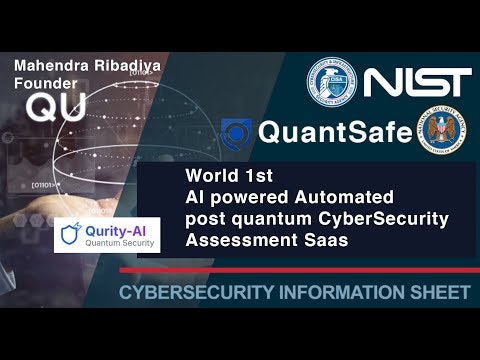
Secure your App or Web before Quantum attack stay compliant
2025 · its alternatives →
- 9
 Qpher▲4
Post-quantum encryption & signing — drop-in REST APIs
Jun 2026 · qpher.ai · its alternatives →
- 10
- 11

Neptune is a quantum-safe layer 1 blockchain combining zk-STARKs and PoW consensus. Private by default, programmable, and built for global scale
2014 · neptune.io · its alternatives →
- 12

Q3AS, deployment & execution of quantum algorithms by Aqora
2024 · aqora.io · its alternatives →
- 13
- 14AQ
2019 · qml.entropicalabs.io · its alternatives →
- 15EE
Hi HN, we have recently completed a research project on how to encrypt emails with post-quantum secure algorithms as well as Forward Secrecy. We'd love to hear your feedback and discuss technical issues. The paper can be found here: https://eprint.iacr.org/2021/875
2021 · its alternatives →
- 16

Free MCP for security AI: live BGP, DNS, threat graph
May 2026 · whisper.security · its alternatives →
- 17

Get free email forwarding for custom domains. Send & receive as [email protected] with unlimited aliases, 10GB storage, IMAP/POP3/SMTP & 100% open-source security. Trusted by 500K+ users. Setup in 2 minutes.
2023 · forwardemail.net · its alternatives →
- 18

The Progressive Quantum-Native Intelligence Engine
Jul 2026 · bee.heossi.com · its alternatives →
- 19
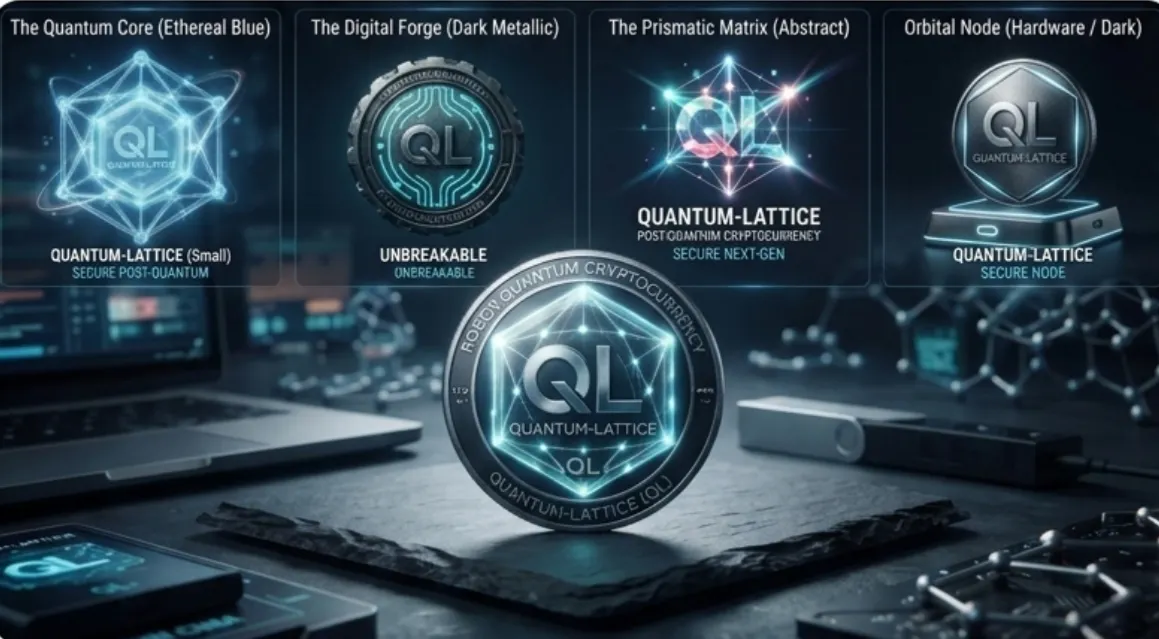
Post - Quantum Blockchain (ML-DSA-65)
Jul 2026 · quantum-lattice.futuristicai.co.za · its alternatives →
- 20TP
Hi HN, we are the developers from Tuta (formerly Tutanota), the German end-to-end encrypted email provider, and we recently released the world's first post-quantum encryption for email. We have included a full technical write-up of the cryptography involved in these changes and we have released it for open public review. This document specifies TutaCrypt, a protocol designed for hybrid email encryption in Tuta Mail. The protocol combines a classical Elliptic-Curve-Diffie-Hellman key exchange with a post-quantum KEM. The goal is to replace the usage of RSA in Tuta Mail. In the remainder of…
2024 · tuta.com · its alternatives →
- 21

- 22
 Access Vault▲21
Post-Quantum Credential Management Made Easy
2025 · accessvault.app · its alternatives →
- 23

Own your .q domain - The future of decentralized identity
Jan 2026 · my.quantumcloud.one · its alternatives →
- 24


Also compare
Ranked by how close each launch is in meaning, then by votes. Prices were read from each product’s own site when checked and can change. Refine with your own description →