Dev tools · alternatives · 2026

24 alternatives to A Software-Defined USB PD Charger (ESP32, FPGA, Open Source Hardware)
We built a multi-port USB-C PD3.2 system that treats power delivery as a software-defined problem rather than fixed-function silicon. This started as our internal R&D platform while developing a consumer charger. We were uncomfortable with the typical “the FAE handles the firmware, you just build the hardware” model that dominates the PD ecosystem. In that model, key behavior lives in vendor-controlled binaries, arbitration rules are opaque, and meaningful customization is either discouraged or impossible. We wanted full ownership of the system — from power stage to protocol logic — and we…
Below are 24 products that do a similar job, ranked by how close each is in meaning and then by launch-day votes.
- 1

Title: Show HN: We built an open USB-C Power Delivery analyzer and programmable sink Hi HN! We’re Arbi, Marco, and Rob, and we built Dr. PD to make USB-C power problems easier to understand. It sits between a power source and device, captures and decodes their USB-PD negotiation, and correlates it with voltage and current measurements. It can also act as a programmable sink, with support for fixed supplies, PPS, AVS, and USB-PD 3.2 EPR up to 240 W. Commercial USB-PD analyzers are often priced beyond the reach of hobbyists and independent designers. We are on a mission to make high-quality…
Aug 2026 · github.com · its alternatives →
- 2UP
2019 · blog.oxplot.com · its alternatives →
- 3

I've been hacking away lately, and I'm now proud to show off my newest project - The Icepi Zero! In case you don't know what an FPGA is, this phrase summarizes it perfectly: "FPGAs work like this. You don't tell them what to do, you tell them what to BE." You don't program them, but you rewrite the circuits they contain! So I've made a PCB that carries an ECP5 FPGA, and has a raspberry pi zero footprint. It also has a few improvements! Notably the 2 USB b ports are replaced with 3 USB C ports, and it has multiple LEDs. This board can output HDMI, read from a uSD, use a SDRAM and much more.…
2025 · github.com · its alternatives →
- 4

- 5
 MultiDock▲74
USB Charging Station for Multiple Devices.
2014 · griffintechnology.com · its alternatives →
- 6
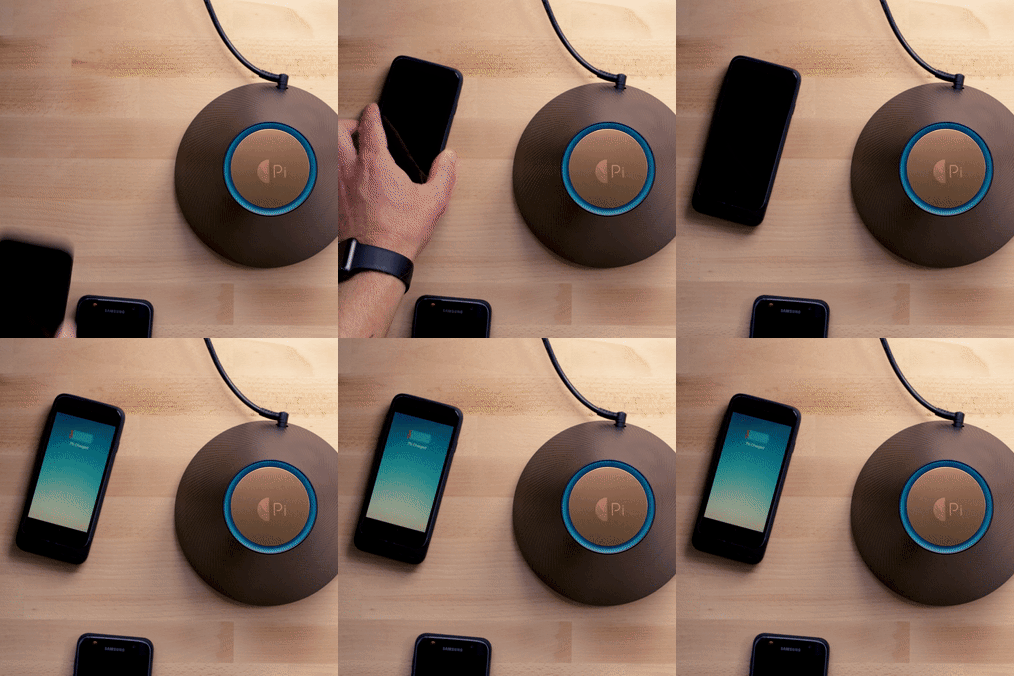 Pi Charging▲487


The world's first contactless, wireless charger.
2017 · picharging.com · its alternatives →
- 7
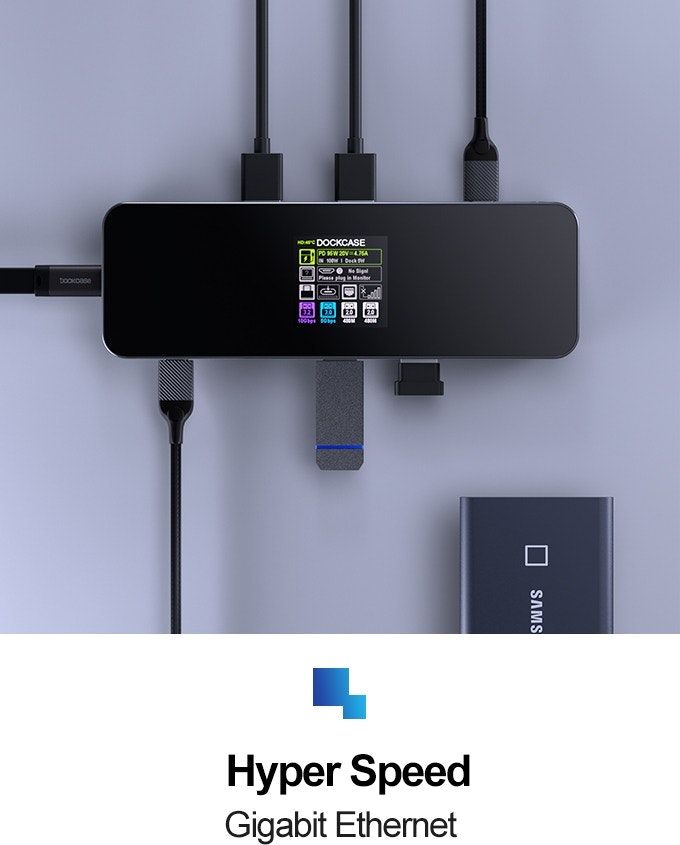 DOCKCASE▲121
Smart USB-C hub with visual operating system control screen
2021 · kickstarter.com · its alternatives →
- 8

As part of a little research and also some fun I decided to try my hand at seeing how small of an ESP32 board I can make with functioning WiFi.
Nov 2025 · github.com · its alternatives →
- 9IB
We wanted to do something very challenging to prove to ourselves that we can do anything we put our mind to. The reasoning for why we chose to build a toy TPU specifically is fairly simple: - Building a chip for ML workloads seemed cool - There was no well-documented open source repo for an ML accelerator that performed both inference and training None of us have real professional experience in hardware design, which, in a way, made the TPU even more appealing since we weren't able to estimate exactly how difficult it would be. As we worked on the initial stages of this project, we…
2025 · tinytpu.com · its alternatives →
- 10
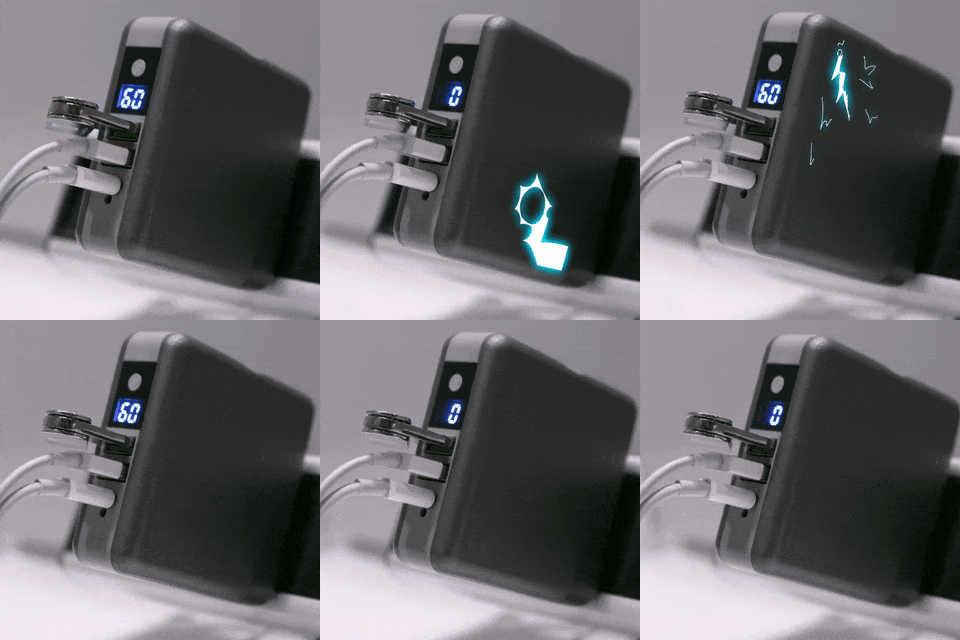 SuperCharger 2.0▲125
A USB-C Hub & fast charge power bank all in one
2019 · indiegogo.com · its alternatives →
- 11
- 12
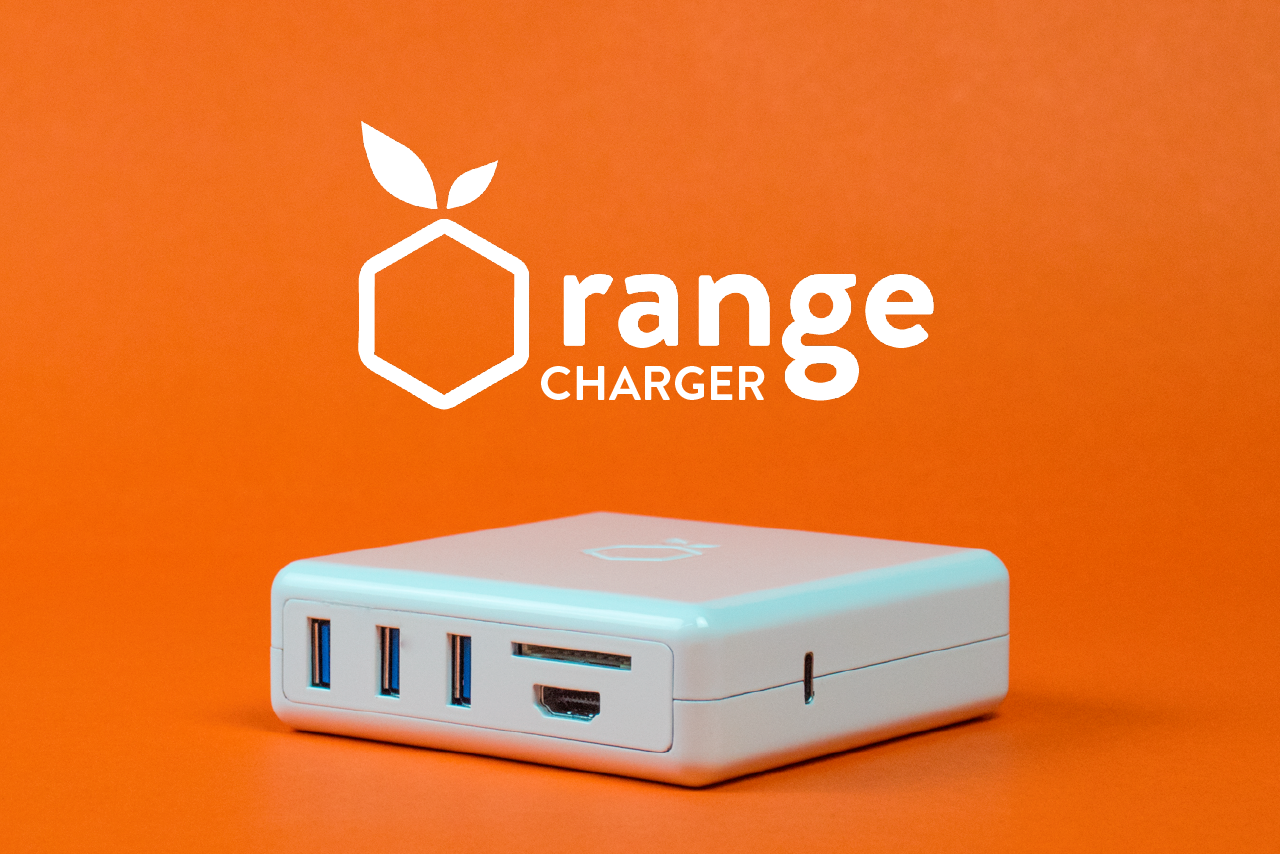
A 90W power supply with a USB-C hub Integrated together
2018 · indiegogo.com · its alternatives →
- 13

Tracking history of USB events on GNU/Linux. Contribute to snovvcrash/usbrip development by creating an account on GitHub.
2019 · github.com · its alternatives →
- 14
 Spor▲75
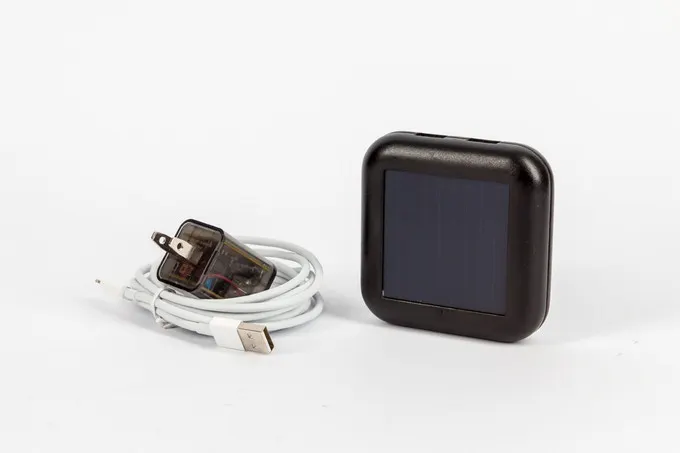
Self-regenerating battery charger for USB devices.
2014 · kickstarter.com · its alternatives →
- 15
- 16
- 17

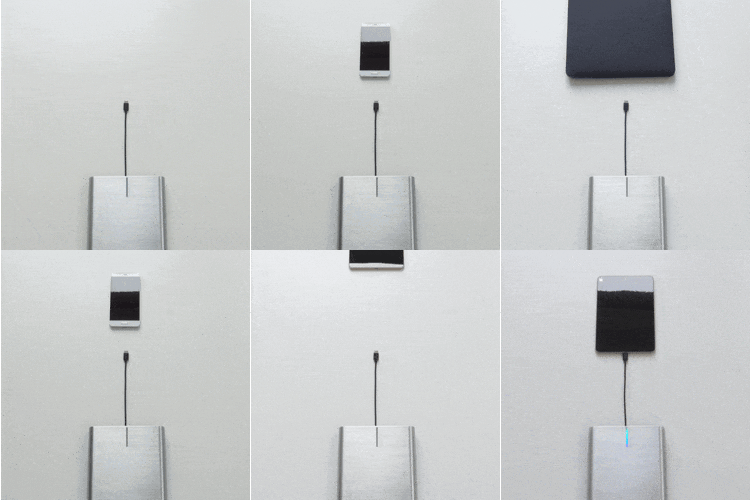
The rugged 137W PD charging laptop power bank
2019 · kickstarter.com · its alternatives →
- 18

A personal website served from six ESP32-S3 microcontrollers: elected load balancer, virtual-MAC failover, OTA with rollback. No cloud, no CDN, no Pi. - Novotarskyi/ivan-bohun
Aug 2026 · github.com · its alternatives →
- 19

- 20
- 21

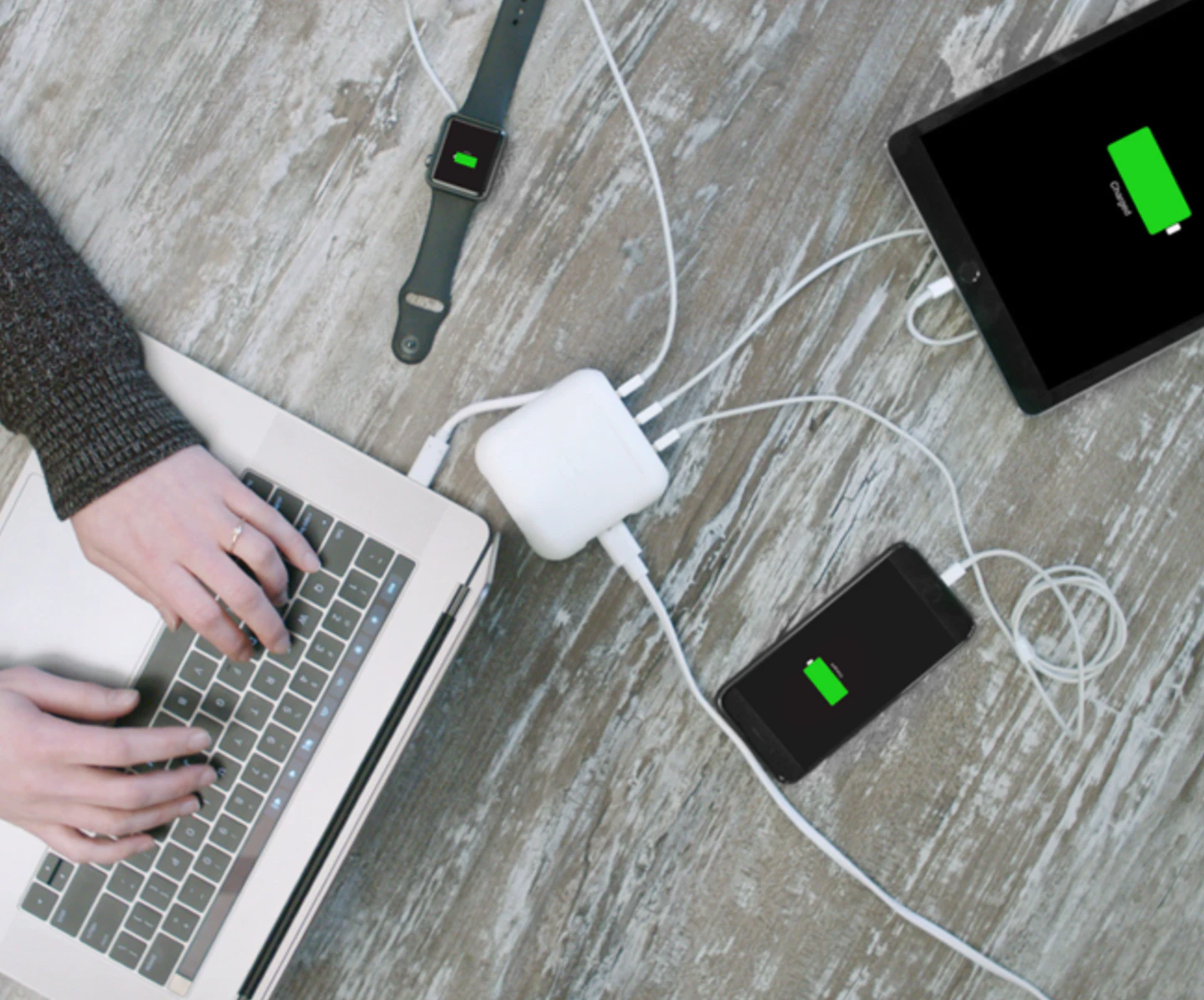
Discovering unexpected sophistication in everyday objects
2016 · oreilly.com · its alternatives →
- 22

DAN64 is a open software and open hardware project to build an 8-bit microcomputer using an AVR microcontroller.
2015 · usebox.net · its alternatives →
- 23

Custom EV Charging Software Built for Business Growth
Jul 2026 · firebeetechnoservices.com · its alternatives →
- 24
Also compare
Ranked by how close each launch is in meaning, then by votes. Prices were read from each product’s own site when checked and can change. Refine with your own description →