I built an ISP infrastructure emulator from scratch with a custom vBNG
Demo: https://aether.saphal.me GitHub: https://github.com/saphalpdyl/Aether Aether is a multi-BNG (Broadband Network Gateway) ISP infrastructure lab built almost from scratch that emulates IPoE IPv4 subscriber management end-to-end. It supports IPoE/Ipv4 networks and runs a python-based vBNG with RADIUS AAA, per-subscriber traffic shaping, and traffic simulation emulated on Containerlab. It is also my first personal networking project, built roughly over a month. Motivations behind the project I'm a CS sophomore. About three years ago, I was assigned, as an…
I built an ISP infrastructure emulator from scratch with a custom vBNG launched on March 11, 2026 with 68 votes, #667 of 23,380 launches that month and more than 95% of that year's launches. The site was not reachable when checked in September 2026.
In plain words
Aether is an ISP infrastructure lab that emulates broadband network operations end-to-end using multiple virtual Broadband Network Gateways. Built with Containerlab, it handles IPoE IPv4 subscriber management, RADIUS authentication, per-subscriber traffic shaping, and traffic simulation. The project runs a Python-based vBNG and is designed for developers and network engineers studying ISP infrastructure and subscriber management systems.
written from the facts on this page · September 2026
From the sources
In the maker’s words, at launch
Demo: https://aether.saphal.me GitHub: https://github.com/saphalpdyl/Aether Aether is a multi-BNG (Broadband Network Gateway) ISP infrastructure lab built almost from scratch that emulates IPoE IPv4 subscriber management end-to-end. It supports IPoE/Ipv4 networks and runs a…
Does a similar job
all alternatives → AetherJul 2026 · runaether.dev · ▲26
Since coding agents like Claude Code and Codex came out, I've been pretty obsessed with them. It's hard not to when you're getting a 20x discount on inference. I've also been frustrated by them a lot. I hated walking around with my laptop lid open while connected to a hotspot on my phone, having to tediously accept commands so I don't lose my root directory, and running out of RAM when running multiple agents that were spinning up dev servers in different worktrees at once. A lot of people would say existing cloud agents are the solution to this, as none of the above problems apply to any…
 AegisoraAug 2026 · aegisora-ai.vercel.app · ▲93
The narrow control plane for AI agent tool and API calls.
- ABAether – Background agents that fix bugs in isolated VMs, opens PRsFeb 2026 · ▲8
Hey HN, I've been building Aether, a background agent that takes production errors from Sentry and attempts to turn them into verified pull requests. When a new error hits your Sentry project: 1. Sentry webhook fires with the stack trace, breadcrumbs, and context 2. Aether spins up an isolated Fly.io VM and clones the repo at the relevant commit 3. Agent analyzes the stack trace, reproduces the issue, proposes a fix 4. Starts the dev server, re-runs tests, and can verify the running app with Playwright (headless Chromium is pre-installed in every VM) 5. A review pass evaluates the diff…

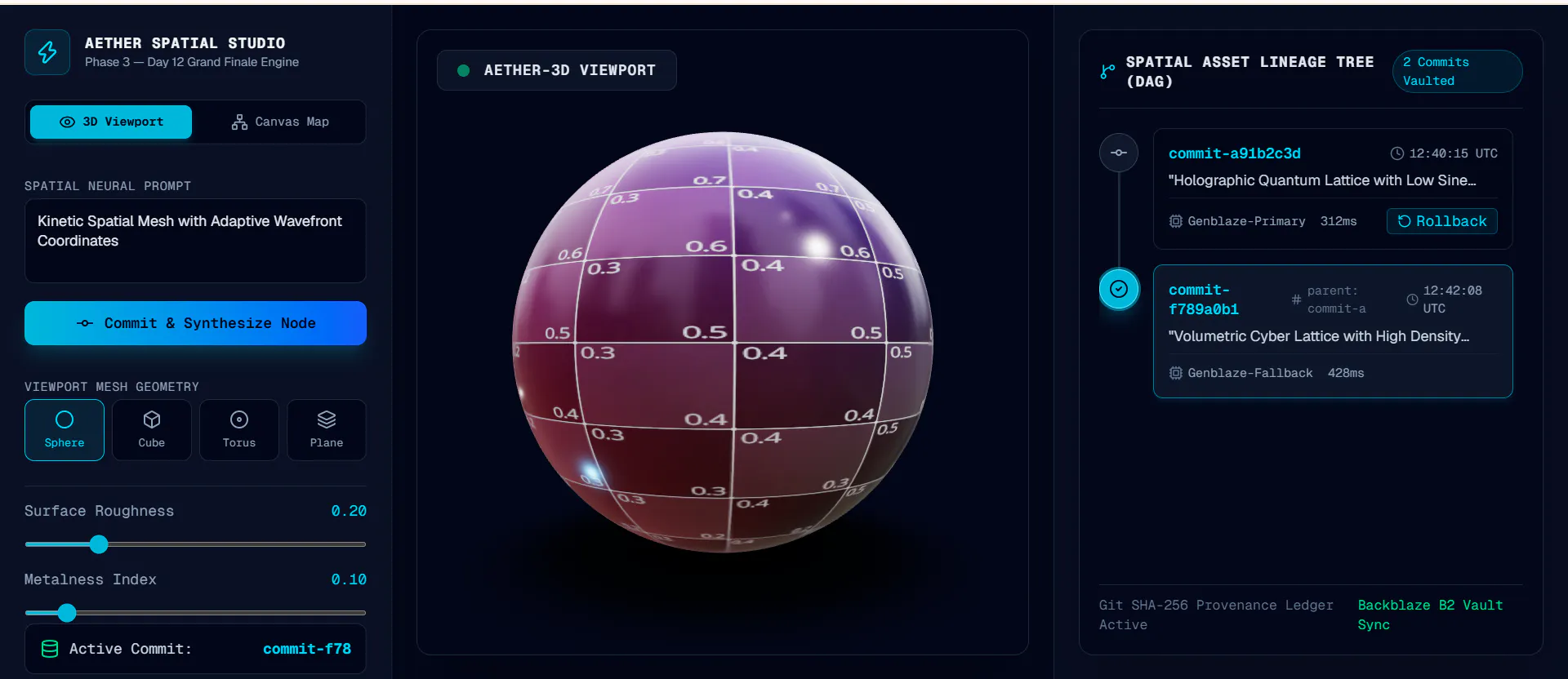 Aether StudioAug 2026 · aether-nexus-engine-87rj.vercel.app · ▲2
Autonomous spatial computing & self-healing engine

More dev tools this month
the category →

open-source IDE for thoughtful software design. Contribute to devdotfast/whiteboard development by creating an account on GitHub.
Dev tools · 28d ago · github.com

Contribute to reladraw/reladraw development by creating an account on GitHub.
Dev tools · 26d ago · github.com
 OpenBot▲362
Grok Bot alternative: free, local, open-source, multiplayer
Dev tools · 23d ago · openbot.run
 Talanoa▲346
Hi HN, I’m a fullstack developer, and honestly, I’ve lost count of how many side projects I’ve worked on over the years. But one idea kept coming back to me: a different kind of email client. It first came to me in 2014: “What if we could handle emails more like conversations?” Every year, I’d revisit this concept in my “Build Notes.” Ten years later, no one had built exactly what I had in mind — so I finally decided to do it myself. That’s how Talanoa was born. I wanted something focused on people, not timelines. I was tired of marking messages as unread just to remember to reply later, or…
Dev tools · 21d ago · talanoa.email
 CoreSpeed▲332
One MCP for everything your agents need: apps, memory, tools
Dev tools · 28d ago · corespeed.io
Source: Show HN post ↗ · launch text quoted in part
Launched alongside, March 2026
the whole month →


Switch from ChatGPT to Claude with import memory feature
AI · Mar 2026 · claude.com
 Littlebird▲709
Littlebird remembers everything across your meetings, messages, docs, and apps, then takes action so you can recall any detail and never lose context.
AI · Mar 2026 · littlebird.ai

