
What We Learned
I built this because I kept seeing the same thing happen. A meeting would end, everyone would feel aligned and we’d move on. It felt productive. But a few weeks later, the same misunderstandings would show up again. It wasn’t that people weren’t paying attention. We just never paused long enough to capture what we learned while it was still fresh. Retros felt too heavy for everyday decisions. Shared docs didn’t really solve it — the first person to write would shape everyone else’s answer. So I made something intentionally small. At the end of a meeting, it asks three questions: – What…
What We Learned launched on February 20, 2026 with 3 votes, #3,486 of 16,627 launches that month and more than 50% of that year's launches.
What it does
Teams move fast. Meetings end, decisions get made and everyone moves on. Weeks later, the same issues resurface. What We Learned is a lightweight way to capture what’s worth remembering before momentum erases it. Three simple questions. Independent responses. A shared snapshot. No retrospectives, no tasks, no overhead. Just a deliberate pause to close with clarity and carry forward the learning that would otherwise disappear.
Capture what's worth remembering before you move on.
A lightweight learning snapshot at the end of a meeting or decision. Not a retrospective framework. Not a task generator. Just three questions that help teams close with clarity. Everyone answers independently: What worked well? What didn't work? What should we remember next time? Responses are submitted one at a time. No pressure, no progress bars. Just a quiet pause. Once others respond, see a shared view of what the team learned. No scores. No assignments. Just closure. This tool helps teams close a meeting or workshop with a sense of shared learning. It's not a retrospective framework. It's not a postmortem. It's not a performance review. It's just three questions that force reflection…from cognu.app
In the maker’s words, at launch
I built this because I kept seeing the same thing happen. A meeting would end, everyone would feel aligned and we’d move on. It felt productive. But a few weeks later, the same misunderstandings would show up again. It wasn’t that people weren’t paying attention. We just never paused long enough to capture what we…
Does a similar job
all alternatives →
 I built a system for active note-taking in regular meetings like 1-1sDec 2025 · withdocket.com · ▲177
Hey HN! Like most here regular meetings have always been a big part of my work. Over the years I've learned the value of active note taking in these meetings. Meaning: not minutes, not transcriptions or AI summaries, but me using my brain to actively pull out the key points in short form bullet-like notes, as the meeting is going on, as I'm talking and listening (and probably typing with one hand). This could be agenda points to cover, any interesting sidebars raised, insights gotten to in a discussion, actions agreed to (and a way to track whether they got done next time!). It's both useful…
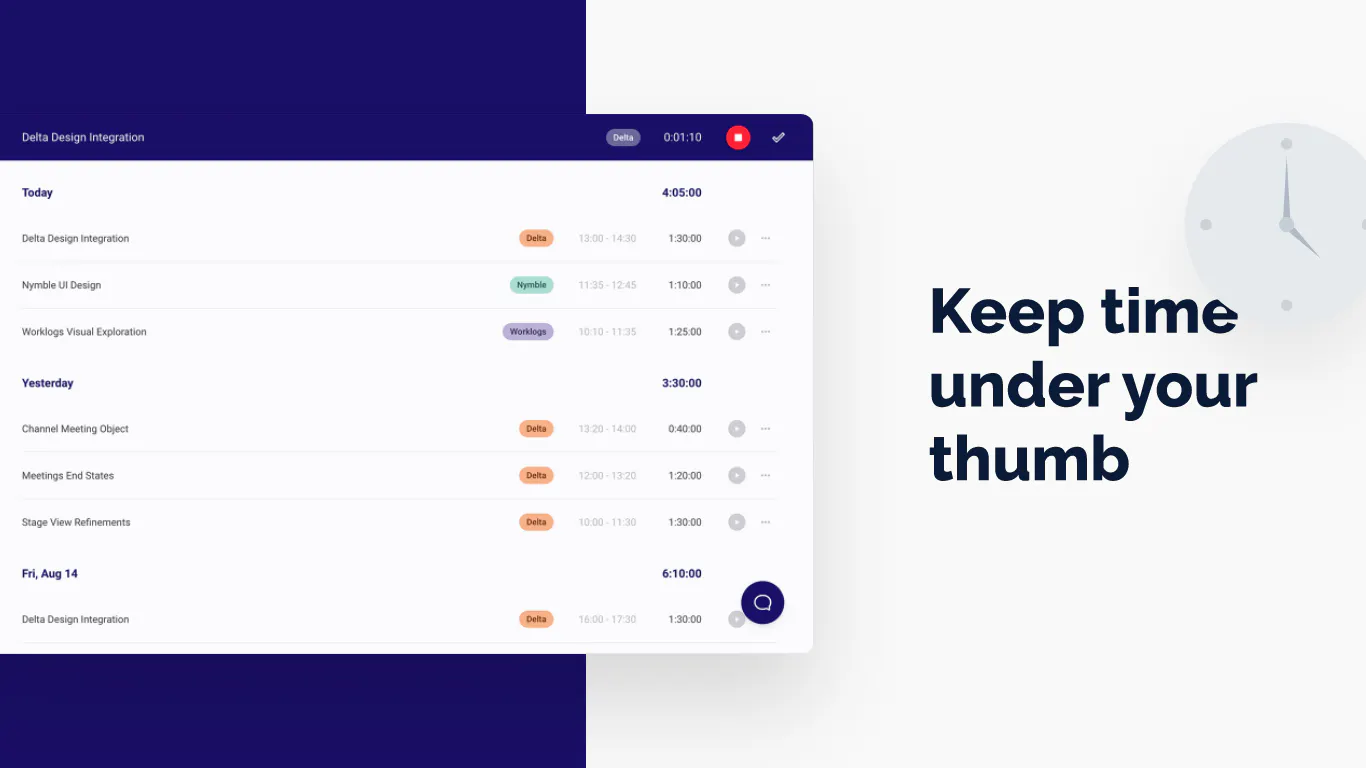
 Build a personal knowledge graph from the content you consume online2023 · recall.wiki · ▲79
I've been working on this tool that lets you build a personal knowledge graph from articles, blog posts, podcasts, YouTube videos, and other content you find interesting online. You can safely forget everything and trust that Recall will resurface it when something new that is related comes up. Looking forward to your thoughts and feedback on how it could be improved! The original version of Recall was posted last year nov on HN: https://news.ycombinator.com/item?id=33425947 Since then I have pivoted to a browser extension.
 What Got Done2019 · whatgotdone.com · ▲77
The simple, lightweight alternative to team status meetings.
 Bindly2016 · bind.ly · ▲76
Hi HN, I’m a product designer by background, not a traditional software engineer. Over the last year, tools like Claude and ChatGPT completely changed how I work. I started with small internal tools, and now I’m “vibe coding” multiple highly personalized apps. As I iterated between Claude Code (implementation) and ChatGPT (ideation / thinking), I kept running into the same problem. To think clearly, I had to repeatedly re-explain: - what the code currently does, - what changed recently, - and why certain decisions were made. That re-summarization step became a real bottleneck. So I…
More work this month
the category →
Endless lofi beats composed live in your browser, over pixel-art nights in Paris, Tokyo, New York, Hong Kong, Sydney, San Francisco and more. Free, no sign-up.
Work · 25d ago · loficities.com
 Smooth Recorder▲257
Mac screen recordings that look edited when you hit stop
Work · 19d ago · smoothrecorder.com


Work · 13d ago · readrare.com
Source: Product Hunt launch ↗ · launch text quoted in part
Launched alongside, February 2026
the whole month →


 Lovon AI Therapy▲801
Feel closer and have more fun with your partner every day!
AI · Feb 2026 · lovon.app

Hello my name is Ben Ward for the past 3 years I have been remastering the financial game Wall Street Raider created by Michael Jenkins originally on DOS in 1986. It has been a rough journey but I finally see the light at the end of the tunnel. I just recently redid the website and thought maybe the full story of how this project came to be would interest you all. Thank you for reading.
Work · Feb 2026 · wallstreetraider.com