Alternatives
Products that do what Cosmic Days does
Discover what the universe was doing the day you were born
- 1

- 2

- 3
- 4

- 5
- 6
- 7
- 8
- 9
- 10

- 11

- 12

- 13AD
2022 · nasa-apod.portaldocs.dev
- 14

- 15IB
I built this because measuring my age in years felt boring—I wanted to see the kilometers. The first version only used Earth's orbital speed (~30km/s), but the number moved too slowly. To get the "existential dread" feeling, I switched to using the Milky Way's velocity relative to the CMB (~600km/s). The math takes some liberties (using scalar sum instead of vector) to make the speed feel "fast," but it gets the point across. Under the hood, it's a single HTML file with zero dependencies. No React, no build step. The main challenge was the canvas starfield—I had to pre-allocate the…
Jan 2026 · cosmic-odometer.vercel.app
- 16DA
Hi HN, I’ve always been fascinated by space and how much is happening beyond what we usually see day to day. I wanted a simple way to explore space photography and learn what I was actually looking at, without jumping between lots of different sites or long articles. So I built DailySpace, an Android app for exploring a large collection of space photos with short and clear explanations. You can browse thousands of images of galaxies, nebulae, planets, stars, black holes, Earth, and different NASA missions organized into categories or found through search. As I kept using it myself, I added…
Jan 2026 · play.google.com
- 17

- 18
A 3D universe explorer & astronomy app, in your browser
Jun 2026 · space.pointdynamics.com
- 19
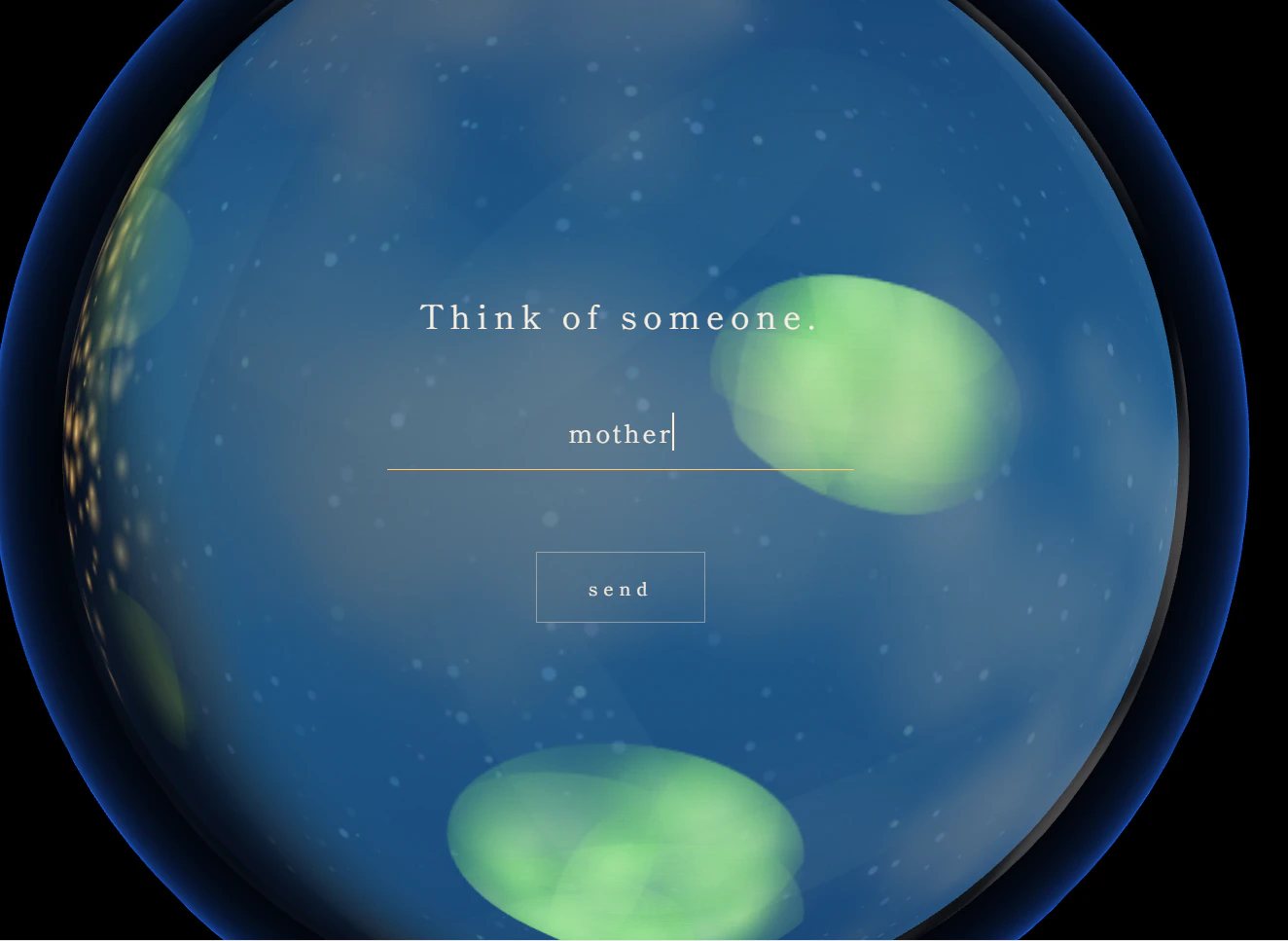
A 2-minute space for quiet reflection and connection.
May 2026 · flower-moon-planet.vercel.app
- 20

- 21
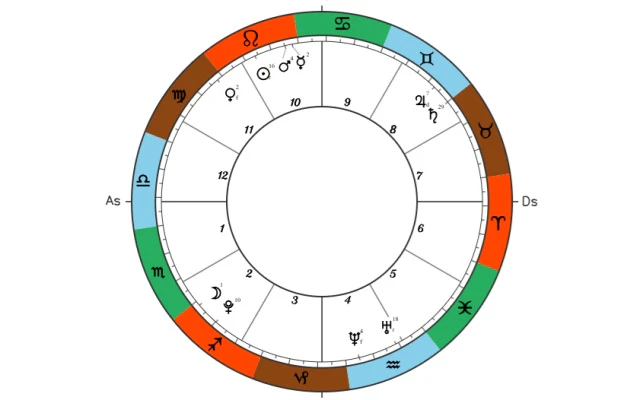
Generate exact birth charts with ready-to-use AI prompts
Apr 2026 · chromewebstore.google.com
- 22

Track space launches, landings, and mission statuses
Mar 2026 · xtragalactic.com
- 23

- 24GA
A fork of Solar System Live that generates animated videos showing planetary orbits over any date range. Tracks orbital statistics (how many times Earth was lapped by Mercury/Venus, or lapped outer planets) and overlays dates/ages on each frame. Example: Einstein's lifetime (1879-1955) showing 76 years of solar system evolution. Built with Python + Pillow + ffmpeg, runs locally with Lighttpd. https://github.com/simondorfman/solar_system_live
Jan 2026 · github.com
Ranked by how close each launch is in meaning, then by votes. Refine with a description →